あるがままの田んぼをまるごと醸す「全風土醸造型」への挑戦 LINNÉ 800 米〈心拍〉開発秘話
The Challenge of "Whole-Terroir Brewing" : 800 KOME [Shinpaku]
日本一の酒米「山田錦」の特A地区に指定されている兵庫県三木市。先人たちが血の滲むような努力で守り抜いてきた奇跡の土壌において、私たちは耕作放棄地の再生という課題に向き合っています。
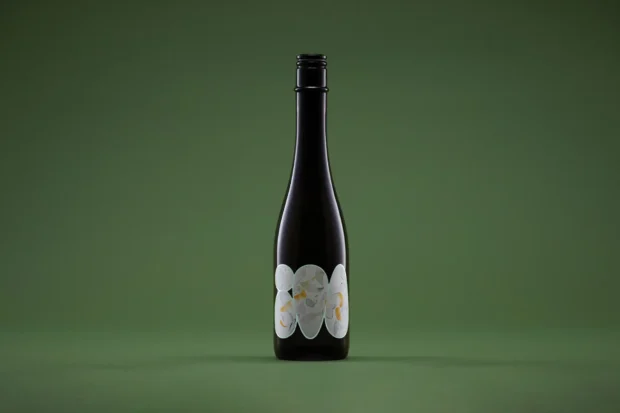
酒造りを起点に、世界の食文化を拡げることを目指す LINNÉ との共創により誕生した『800 米〈心拍〉(シンパク ヤオ コメ)』は、美しい酒米だけでなく、規格外の米や、共に育った雑草さえもひとつのタンクで醸造する「全風土醸造型」という新たな哲学を体現した SAKE です。
Miki City, Hyogo Prefecture, is designated as a “Special A District” for Yamada Nishiki, the pinnacle of Japanese sake rice. In this miraculous terroir—representing just 1% of all sake rice production, preserved through the tireless efforts of our predecessors—we are confronting the challenge of restoring abandoned farmland. Created in collaboration with the craft sake brewery LINNÉ, “800 KOME <Shinpaku> [Yao Kome Shinpaku]” embodies a new philosophy we call “Whole-Terroir Brewing.” It is a sake brewed not only with beautiful sake rice but also with off-spec rice and the wild plants that grew alongside them in the very same field.
山田錦特A地区の誇りと、休耕田再生の現実
The Pride of the Special A Grand Cru District and the Reality of Restoring Abandoned Farmland

休耕田
Abandoned Farmland
通常、これら規格外の米や雑草は「失敗」として排除され、農家が単独でその経済的負担を抱えることになります。美味しいお米を育てるために雑草を丁寧に取り除くことは、農家として当然のセオリーであり、地域の美観を守るための重要な責務でもあります。しかし、私たちはこの休耕田で力強く芽吹いた多様な命を前に、一つの問いを抱きました。
Ordinarily, such off-spec rice and wild plants are discarded as “failures,” leaving the farmer to bear the economic burden alone. Carefully removing weeds to grow high-quality rice is the fundamental theory of farming and an important duty to maintain the beautiful landscape of the region. However, faced with the diverse life sprouting vigorously in this restored field, we arrived at a single question.
LINNÉとの共創。「全風土醸造型」という答え
Co-creation with LINNÉ: The Answer in "Whole-Terroir Brewing"

LINNÉ 今井氏との対話
A discussion with LINNÉ CEO Mr. Imai
「同じ土地で過酷な環境を生き抜いた命を、すべてまるごと酒にできないだろうか」
この一見して常識外れな問いに対し、深い理解と卓越した技術をもって応えてくれたのが、京都のクラフトサケメーカー LINNÉの代表である今井翔也氏と、そのチームでした。
“Could we brew all the life that survived this harsh environment in the same soil into a single sake?”
It was Shoya Imai, representative of the Kyoto-based craft sake brewery LINNÉ, and his team who responded to this seemingly unconventional question with profound understanding and outstanding technical expertise.
彼らは、「稗も五穀の一つであり、かつては主食であった」という歴史的事実を紐解き、このチャレンジに掛かる様々な障壁を想像して、私たちの田んぼで採れた山田錦、キヌヒカリ、そして稗をすべて通常よりも非常に高価な価格で買い取る決断を下してくださいました。農家の抱える現実とリスクを、醸造家が共に背負う。この真のパートナーシップがなければ、本プロジェクトは成立しませんでした。
美しいものも、規格外とされるものも、その土地の風土(テロワール)としてひとつのタンクで価値に変える。神戸大学農学部の皆様も巻き込みながら、苦心してディスカッションと試作・試行錯誤を重ねた結果、私たちの導き出した「全風土醸造型」という新しい酒造りの形です。
同じ圃場に生える山田錦と稗
Yamada Nishiki & barnyard millet


Tracing the historical fact that “Hie is one of the five primary grains and was once a staple food,” they made the decision to purchase all the Yamada Nishiki, Kinuhikari, and Hie harvested from our fields at a fair price. The brewer chose to share the reality and risks faced by the farmer. Without this true partnership, this project would never have been realized.
Transforming both the beautiful and the off-spec into value within a single tank as the “terroir” of the land—this is the new form of sake brewing we have defined as “Whole-Terroir Brewing.”
テイスティングノートと、広がる楽しみ方
Tasting Notes and Ways to Enjoy

LINNÉの醸造技術により、本来排除されるはずだった稗は「稗麹」として仕込まれました。これにより、既存の日本酒の枠にはまらない、田んぼそのものが思い浮かぶようなハーバルな味わいが誕生しています。
Through LINNÉ’s brewing techniques, the Hie—which would normally be eliminated—was processed into “white koji” (malted grain). This has resulted in an astonishingly profound flavor profile that transcends the traditional boundaries of Japanese sake.
グラスに注ぐと、特A地区の山田錦が持つふくよかな米の旨みをベースに、稗麹に由来するハーブやボタニカルティーを思わせる爽快な香りが幾重にも重なります。
まずはよく冷やして、ワイングラスでその複雑な香りの広がりをお楽しみください。そして、特筆すべきは熱燗でのポテンシャルです。温めることでお米の旨みと稗麹の香りがまろやかに溶け合い、穀物由来の深い安らぎを与えてくれます。温度帯によって表情を変えるため、幅広いお食事に合わせてお楽しみいただけます。
When poured into a glass, the rich umami of the Special A District Yamada Nishiki forms the base, layered with refreshing aromas reminiscent of herbs and botanical tea derived from the Hie white koji.
First, we recommend chilling it well and enjoying the expansive, complex aromas in a wine glass. Furthermore, its potential when served as “Kanzake” (hot sake) is truly remarkable. Heating the sake allows the umami of the rice and the acidity of the white koji to melt together seamlessly, offering a deep, comforting sense of its grain origins. Because its profile changes with the temperature, it pairs beautifully with a wide variety of cuisines.
これからの農業の選択肢として
As an Alternative for the Future of Agriculture


私たちは、長年この地の農業を守ってこられた地域の皆様の歴史と慣習に、心からの敬意を抱いています。その上で、休耕田という負の遺産を前にしたとき、多様な植物を許容し、醸造技術の力でそれらを価値へと変換するこのアプローチが、次世代の農家にとっての希望ある新たな選択肢の一つになればと願っています。
e hold the deepest respect for the history and practices of the local community members who have protected the agriculture of this region for many years. Building upon that foundation, when faced with the negative legacy of abandoned farmland, we hope that this approach—embracing diverse plant life and transforming it into “value” through the power of brewing technology—will become a new, hopeful alternative for the next generation of farmers.
Enjoying “800 KOME <Shinpaku> [Yao Kome Shinpaku ]” directly contributes to preserving the beautiful rural landscapes of Miki City for the future. We invite you to savor the unvarnished breath of nature unfolding in your glass.

LINNÉ × 神戸大学農学部 × 心拍
LINNÉ, Kobe university, and Shinpaku team
製品情報
製品名: 800 米〈心拍〉(ヤオ コメ シンパク)
原材料:米(国産)、米麹(国産米)、稗麹
原料米使用割合:山田錦67%、キヌヒカリ33%
精米歩合:90%
製造者:株式会社Linné(京都府京都市)
Product Information
Product Name: 800 Rice (Heartbeat) (Yao Kome Shinpaku)
Ingredients: Rice (domestic), rice koji (domestic), barnyard millet koji
Rice Ratio: 67% Yamadanishiki, 33% Kinuhikari
Rice Polishing Ratio: 90%
Manufacturer: Linné Co., Ltd. (Kyoto City, Kyoto Prefecture)
関連する記事
Related Story